Narrow vs. General AI: Tool or World Dominator?
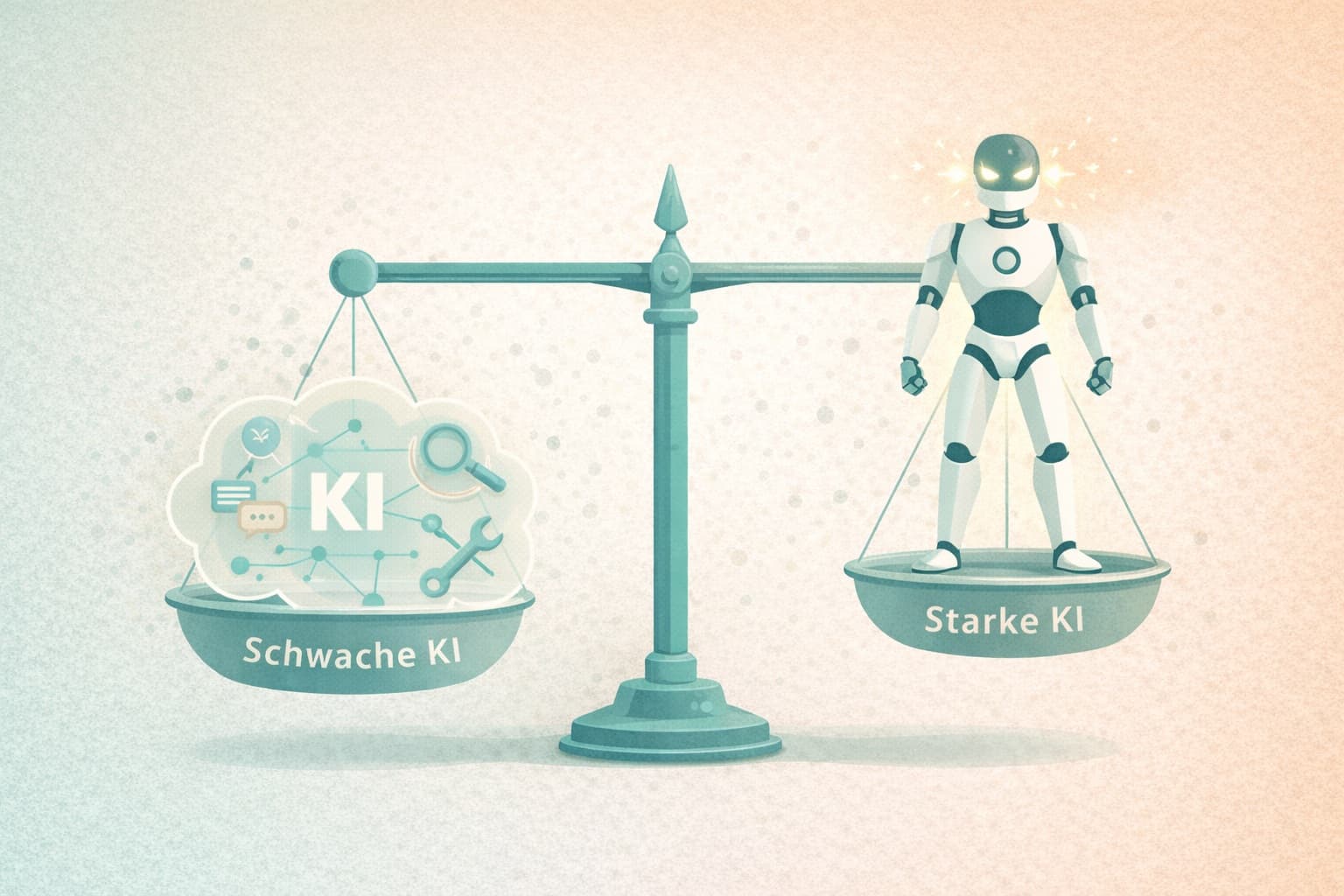
When you first delve deeper into Artificial Intelligence, you inevitably encounter two terms that often cause confusion in talk shows and newspaper articles: “Narrow” and “General” AI. The media frequently lumps both forms together, which can make us feel like a sci-fi dystopia is becoming reality every time we use a simple translation app or chatbot.
To properly understand today's technology, we need to clearly separate these two worlds and understand where we actually stand right now.
The World of Specialists: What “Narrow AI” Really Means
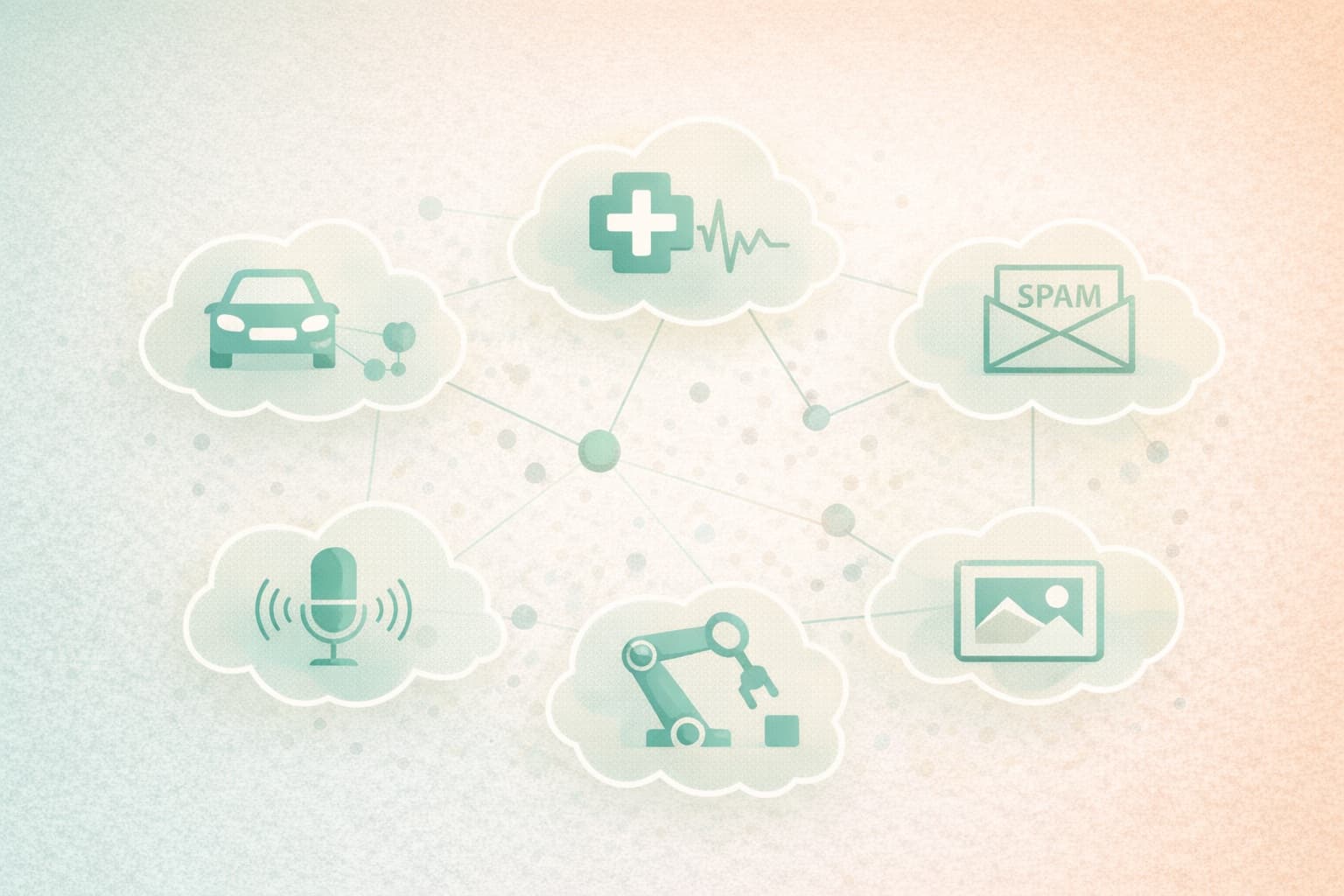
Don't let the word “narrow” (or “weak” as it's sometimes called) mislead you. In the professional world, it simply means that an AI is specialised for a very specific problem or a narrowly defined area of tasks. Almost everything we call “AI” today — from the algorithmthat recommends new YouTube videos to complex systems like ChatGPT or image generators — falls into this category.
Think of narrow AI as an absolute master of its craft who, however, has zero ability to see beyond its own field. An AI trained to detect tiny irregularities in medical X-rays often does this job more precisely and tirelessly than any human. But that same AI is completely lost if you ask it how to make an omelette or what it thought of yesterday's sunset. It has no general understanding of the world. It doesn't “see” a lung or a shadow — it merely detects mathematical patterns in oceans of data.
This principle runs through our entire modern daily life. When your car automatically stays in its lane, a spam filter sorts out fraudulent emails, or your smartphone recognises your face to unlock, a narrow AI is at work. It's a high-performance digital tool optimised for a specific task. It has no opinions, no feelings, and — crucially for our understanding — no will of its own. It's like an extremely advanced hammer: it can almost hit the nail by itself these days, but it will never decide to build a house instead.
The Myth of “General AI”: Between Vision and Fiction
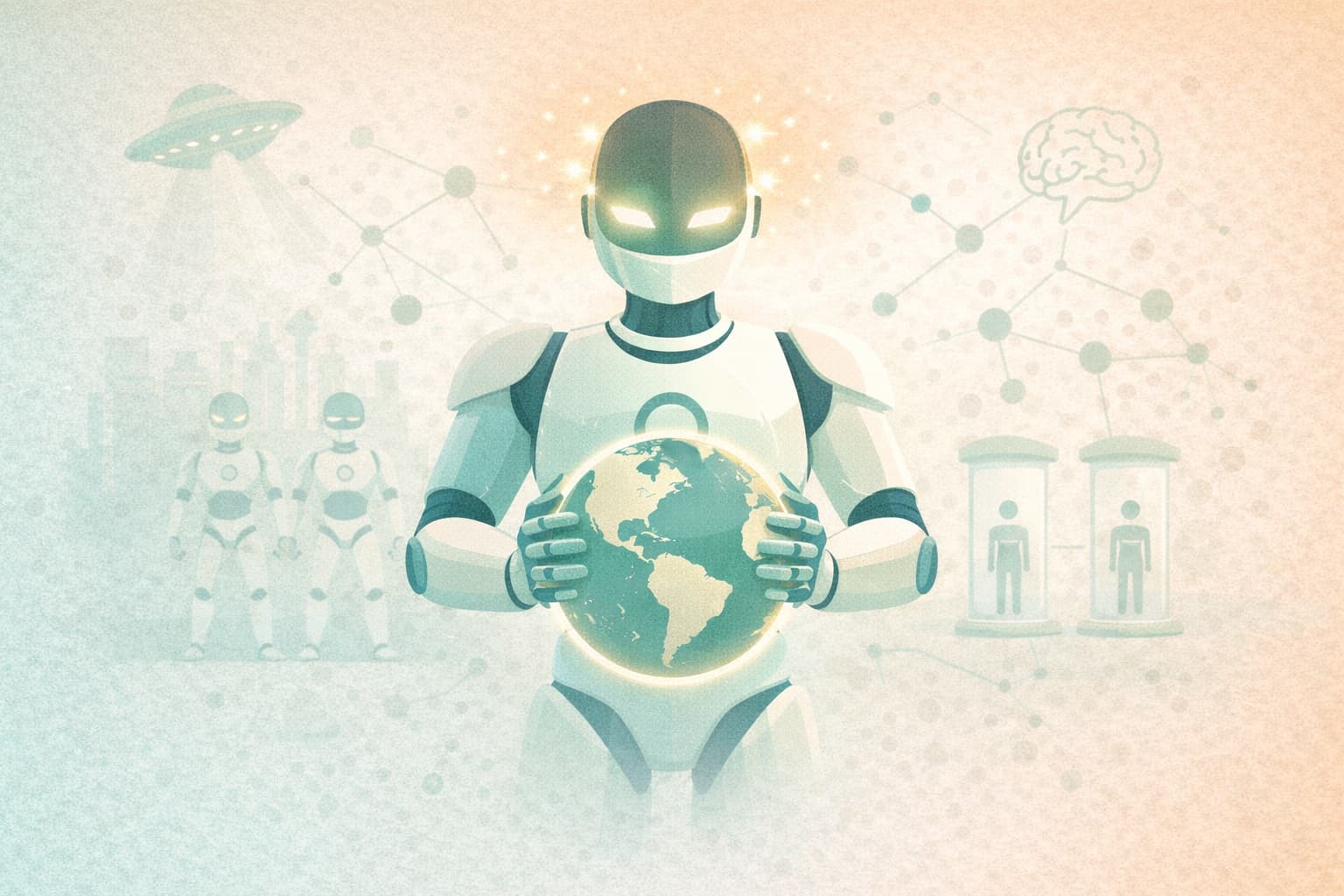
The picture looks very different for so-called “General AI,” often referred to as AGI (Artificial General Intelligence). This is the kind of intelligence we know from Hollywood films — machines that think, feel, and act like humans. A general AI would be a system with at least the same mental capabilities as a human, or even surpassing us — potentially developing an awareness of its own existence, along with its own goals and “emotional” states.
Such a machine could not only solve a specific task but take on any challenge it encounters. It could learn a new language in the morning, formulate a scientific theory at noon, and philosophise about the meaning of life in the evening. The crucial aspect would be consciousness: a general AI would understand that it exists. It would have its own goals, real emotions, and a form of moral compass.
Although researchers worldwide are trying to push the boundaries of what's possible, there is currently not a single general AI in existence. We don't even know precisely how human consciousness arises biologically. Until we've cracked this “code” of nature, building a consciously acting machine remains pure theory.
The AI you chat with today often seems to have a spark of understanding, but it's a fascinating reflection of the human language it was trained on. It's mathematics that feels like magic.
The Fear of Change: Why We Need to Look at Jobs Differently
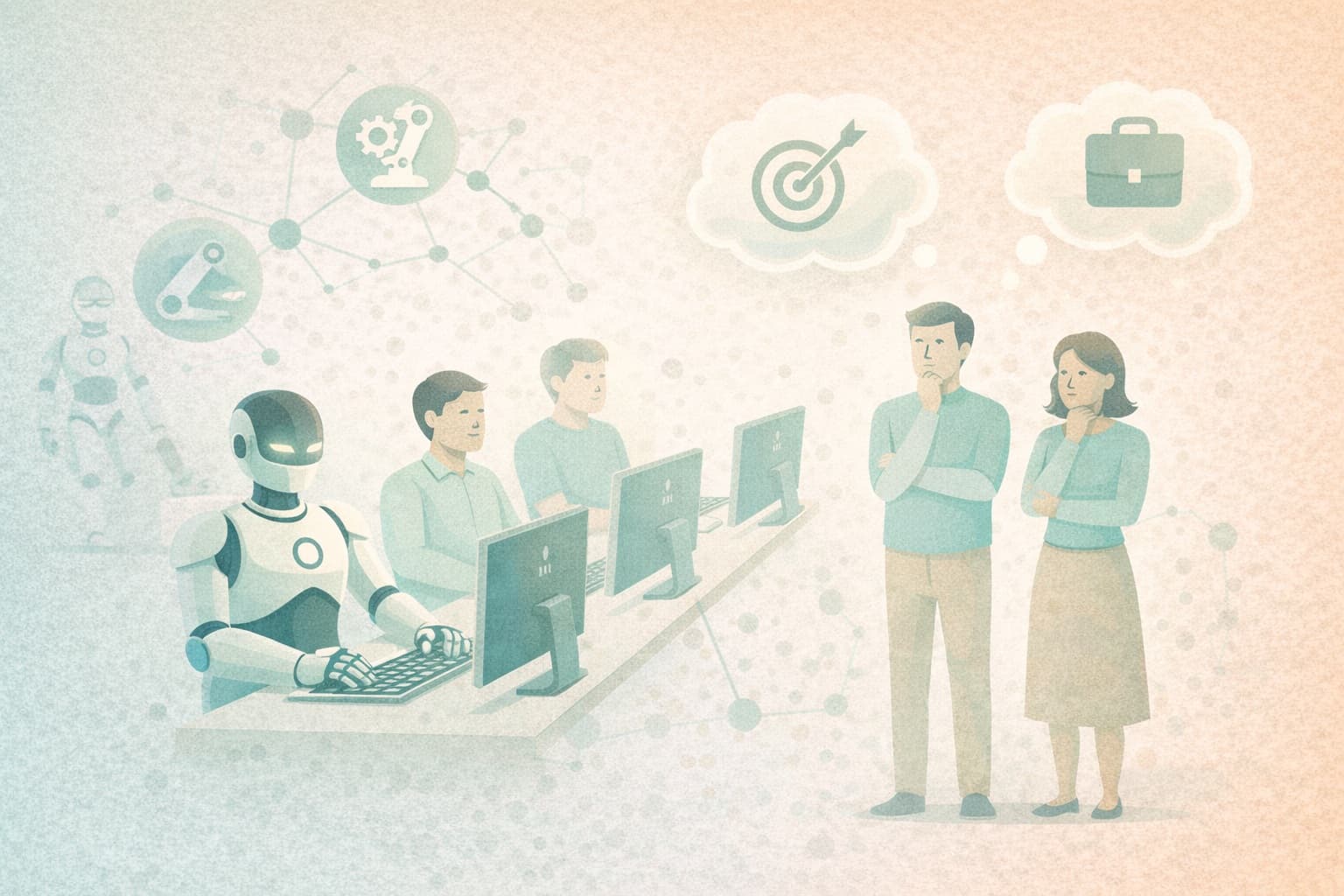
A topic that always resonates in this discussion is the worry about our professional future. It's perfectly understandable to ask: “If technology can already write texts, program code, and design graphics, what's left for me?” This fear is deeply human — we're in a period of upheaval comparable in scope to the Industrial Revolution.
Yet history has taught us that technological innovations rarely eliminate work itself — rather, they change the way we do it. AI will undoubtedly take over many tedious routine tasks. It's the tireless assistant that sifts through data and creates drafts, while we can focus on the aspects a machine won't master for the foreseeable future: genuine empathy, complex social dynamics, ethical considerations, and true, intuitive creativity.
If you find that these thoughts weigh on you, or you're wondering how to keep up emotionally with this pace of change, visit our partner site KIneAngst. There, the concerns that come with this new era are specifically addressed, helping you find a calm path through the technological jungle.
Your Personal Knowledge Advantage
The fact that you've read this far says something important: you're one of those people who actively engage with the future rather than just letting it happen. That might sound obvious, but it isn't. A large part of society is currently in a kind of “deer in headlights” state — they see the headlines, feel overwhelmed, and prefer to switch off.
By taking the time to truly understand the differences between the various forms of AI, you're already building a solid knowledge advantage. You're beginning to see the tools behind the magic. And that's the key: the more you interact with these systems, try them out, and test their limits, the more confident you'll become in handling them.
It's a bit like learning a new language or an instrument: theory is the foundation, but true mastery comes through practice. Stay curious and dare to integrate AI into your daily life. While others are still wondering whether this is just a trend, you're already developing the competence that will be invaluable in the years to come. You're no longer just a spectator — you're actively shaping how you interact with this technology.
What would you like to discover next?
Or check out the Blog where we regularly share practical AI tips for everyday life.